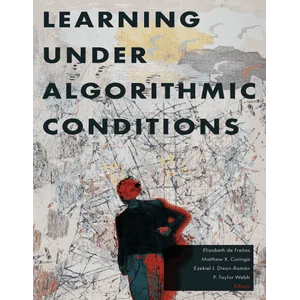
Description
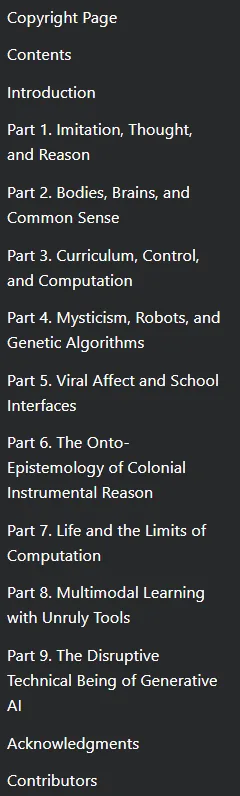
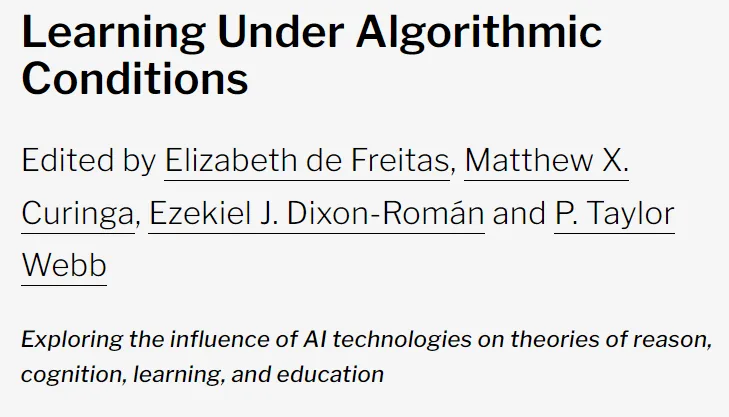
Learning Under Algorithmic Conditions is a valuable collection of twenty-seven short, concise essays that explore the fundamental changes in learning and education in the age of artificial intelligence and algorithmic systems. The authors provide historical and philosophical context to illustrate how learning is becoming a machine-driven, superhuman process.
Leading scholars from media studies, philosophy, and educational research have come together to assess the impact of machine learning technologies on the ways in which knowledge is produced. This interdisciplinary guide offers deep theoretical and practical insights for understanding the changing social, political, and technical infrastructures of modern society.
Book Features
- A detailed examination of the effects of artificial intelligence on theories of cognition, rationality, and the educational process.
- Providing philosophical and historical background to better understand the transition to machine learning.
- Clarifying the role of algorithms in redefining the concepts of knowledge production in the humanities.
- Benefit from the interdisciplinary perspectives of prominent media and educational scientists.
- Exploring the hidden and overt effects of technical infrastructure on social and political decision-making structures.
Book specifications
- Publisher: Minnesota
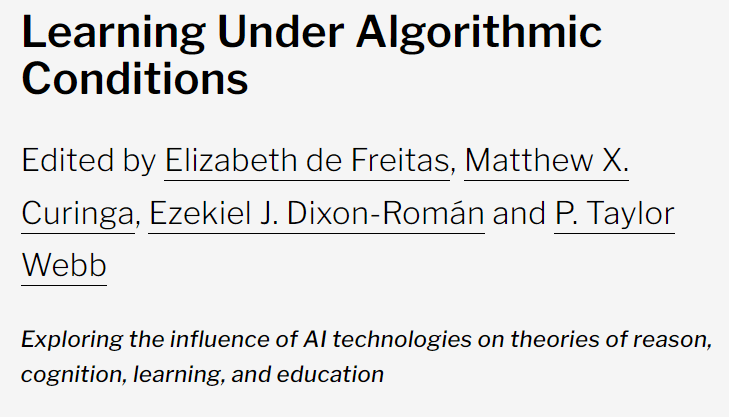
- Instructor/Author: Elizabeth de Freitas
- Number of pages: 320
- Number of chapters: 9
- Format: pdf
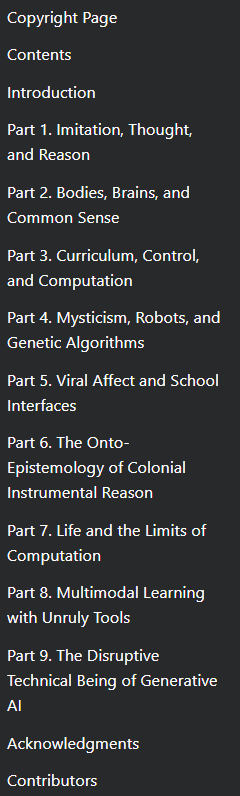
Headlines
Pictures
User Guide
Extract the file and run it with the appropriate software.
Download link
File(s) password: www.downloadly.ir
File size
3.3 MB