Description
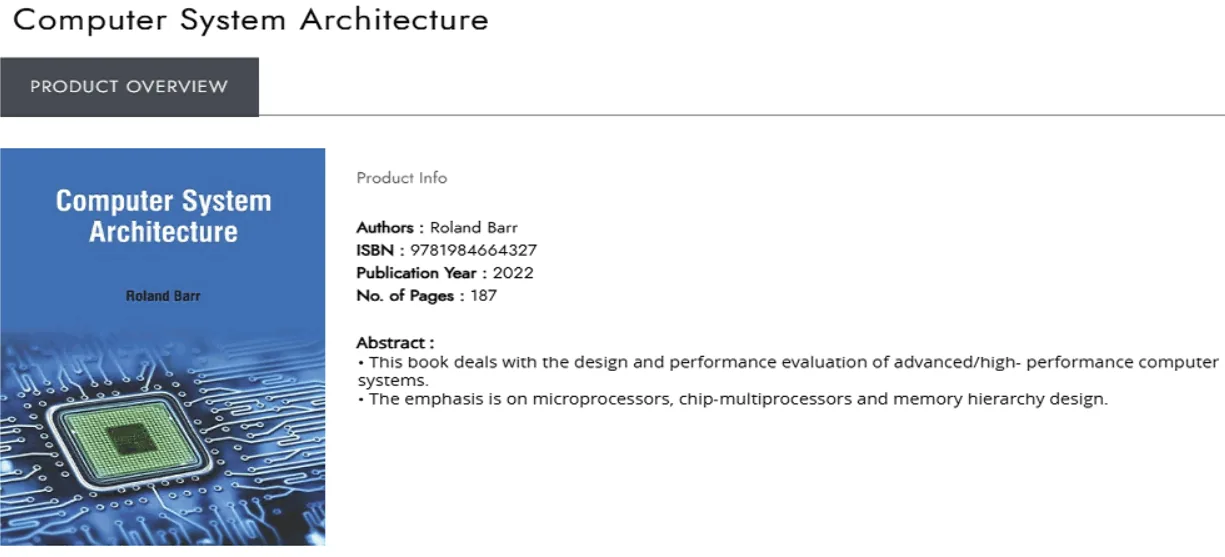
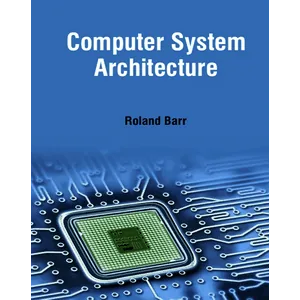
As a classic reference in the field of computer systems architecture, Computer System Architecture provides a detailed examination of the hardware operation and internal design of digital computers. By focusing on the interaction between various functional modules, the book helps the reader gain a deep understanding of how data is processed at the lowest hardware layer level.
In this work, fundamental concepts such as digital logic, central processing unit (CPU) organization, and memory structure are explained in detail. Using a register transfer language, the author formulates complex computer operations in a symbolic and precise form so that students and engineers can easily understand the logic of designing modern computing systems.
Book Features
- Comprehensive training in Boolean algebra, combinational circuits, and sequential circuits as the foundation of architecture.
- A detailed step-by-step review of the steps involved in designing a basic computer.
- Analysis of central processor organization, memory hierarchy, and input/output (I/O) systems.
- Use of a consistency transfer language to accurately describe data flow and control functions.
- Providing advanced problems and exercises at the end of each chapter to consolidate hardware design concepts.
- Covering the concepts of cache management and algorithms for maintaining data integrity in the system.
Book specifications
- Publisher: Bibliotex
- Instructor: Roland Barr
- Number of pages: 188
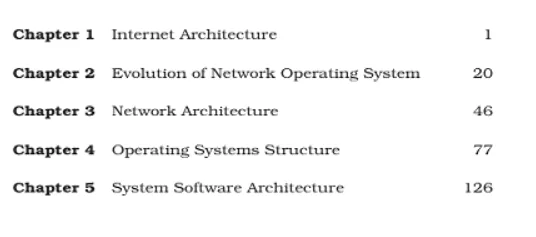
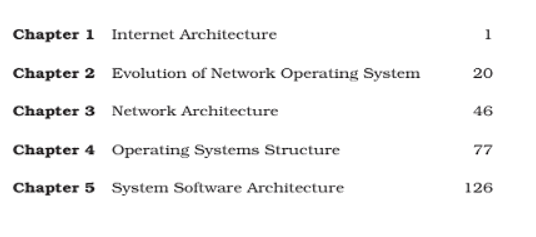
- Number of chapters: 5
- Format: PDF
Headlines
Pictures

User Guide
Extract the file and run it with the appropriate software.
Download link
File(s) password: www.downloadly.ir
File size
1 MB