Description
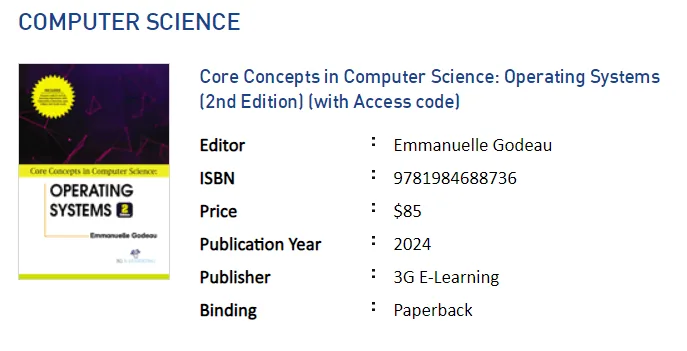
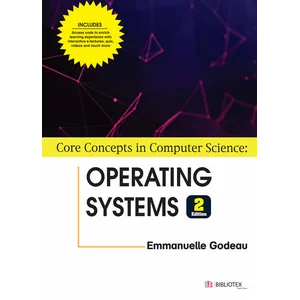
Core Concepts in Computer Science: Operating Systems examines the fundamental principles and theories underlying operating systems and dissects their internal structure in detail. The main focus of the work is on how operating systems manage hardware resources and facilitate the optimal execution of programs, so that the reader can gain a deep understanding of the interaction between software and hardware.
In the second edition, the chapters have been revised and new concepts have been added to reflect recent advances in computer architecture. Using examples from real operating systems such as Windows and Linux, the author transforms abstract concepts into practical knowledge and explains the challenges of memory and process management.
Book Features
-
Explain process management methods, CPU scheduling, and interprocess communication.
-
Detailed review of memory management algorithms and virtual memory.
-
Teach concepts related to file systems, storage management, and input/output operations.
-
Analysis of operating system security and protection mechanisms in multi-user systems.
-
Provide comparative examples from modern operating systems to better understand the theories.
Book specifications
- Publisher: 3G E-learning
- Instructor: Emmanuelle Godeau
- Number of pages: 306
- Number of chapters: 7
- Format: PDF
Headlines
Introduction to operating systems
Processor management
Protection and security
Device management
Memory management
File management
Deadlocks
Pictures

User Guide
Extract the file and run it with the appropriate software.
Download link
File(s) password: www.downloadly.ir
File size
11 MB